
- This event has passed.
IntCDC Constructive Conversations / Bige Tunçer
December 8, 2025 | 4:00 pm - 5:00 pm
Information Systems in the Built Environment
date
Monday, 8 December 2025 | 16:00 – 17:00 p.m. (Constructive Conversation)
speaker
Bige Tunçer
Chair of Information Systems in the Built Environment
location
University Campus City Center,
Lecture hall M11.11 (room 1.008),
Keplerstraße 11 (K1),
70174 Stuttgart
This lecture is part of the IntCDC Constructive Conversations. Please register or log-in to your account to access the event credentials.
abstract
Built environments are increasingly shaped by data, algorithms, networks, and connected systems, and this shift demands a new way of understanding design and planning. Information systems, traditionally concerned with how data is collected, processed, and used to support decisions, now extend deep into the spatial, social, and ecological fabric of cities. They mediate how people move, perceive, and experience space; how resources flow; and how designers and policymakers make choices under uncertainty.
This lecture explores how AI-driven design, digital twins, and computational methods can empower architects, planners, and communities to shape resilient urban and peri-urban environments. Drawing on insights from international collaborations and design research, Prof. Tunçer will discuss how computational models can embed resilience thinking into planning and design, while also enabling participatory approaches that give voice to citizens, stakeholders, and decision-makers.
Beyond technology, the lecture will emphasize governance and inclusivity as essential dimensions of responsive design, where digital intelligence, human creativity, and collective participation combine to address climate risks, demographic transitions, and societal transformation.

Photography; Vincent van den Hoogen
Bige Tunçer
Prof. Bige Tunçer is a full professor and Chair of Information Systems in the Built Environment at the Department of Built Environment, Eindhoven University of Technology. She received her PhD in Architecture (design informatics) from Delft University of Technology (TU Delft), her MSc (computational design) from Carnegie Mellon University, and her BArch from Middle East Technical University. She was an associate professor at Singapore University of Technology and Design (SUTD), assistant professor at TU Delft, and junior faculty at ETH Zurich. She held visiting positions as a visiting professor at the Chair of Information Architecture at ETH Zurich, a visiting scholar at MIT, and a visiting professor at the Computer Engineering Department of University of Pavia, Italy.
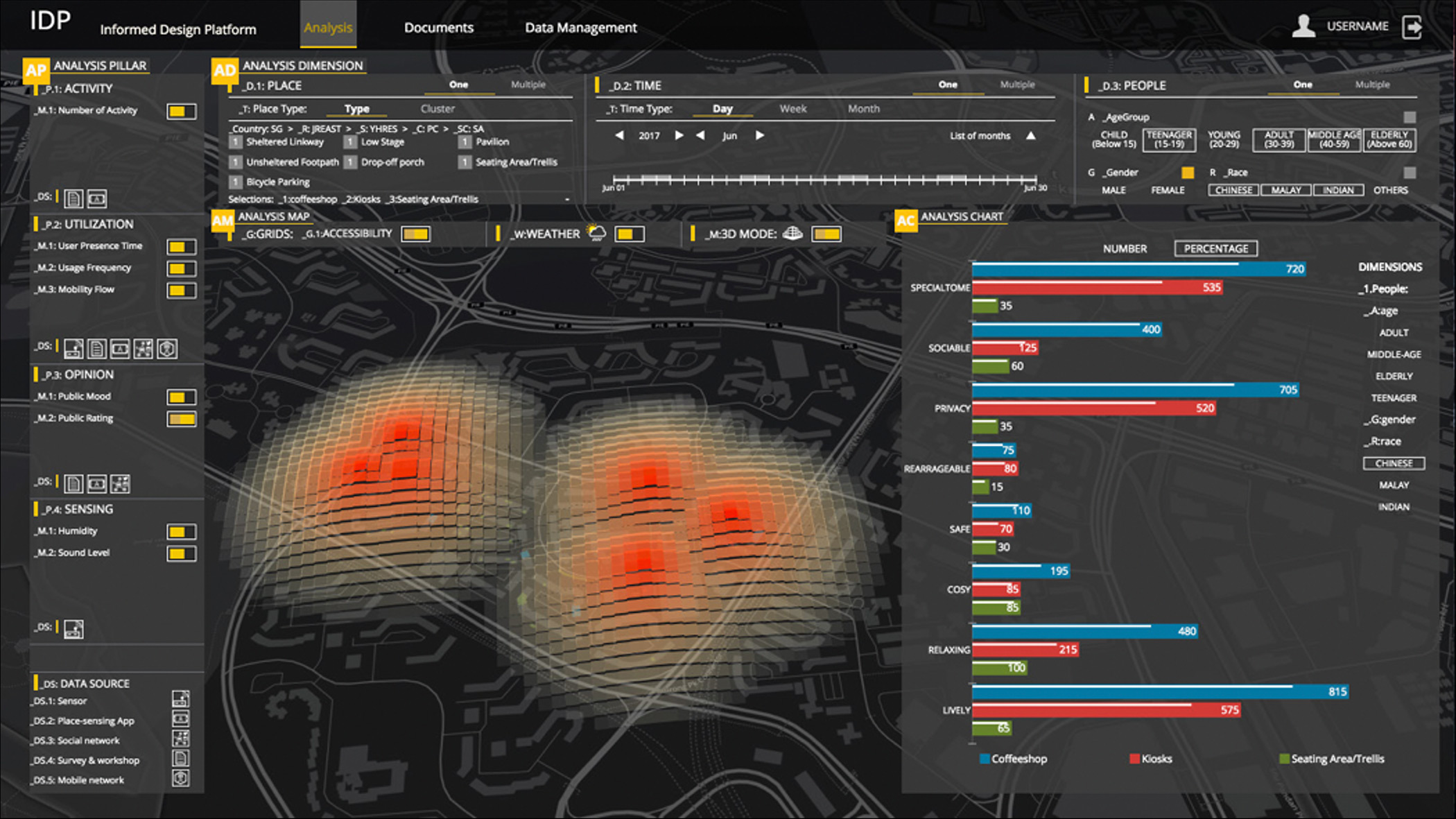
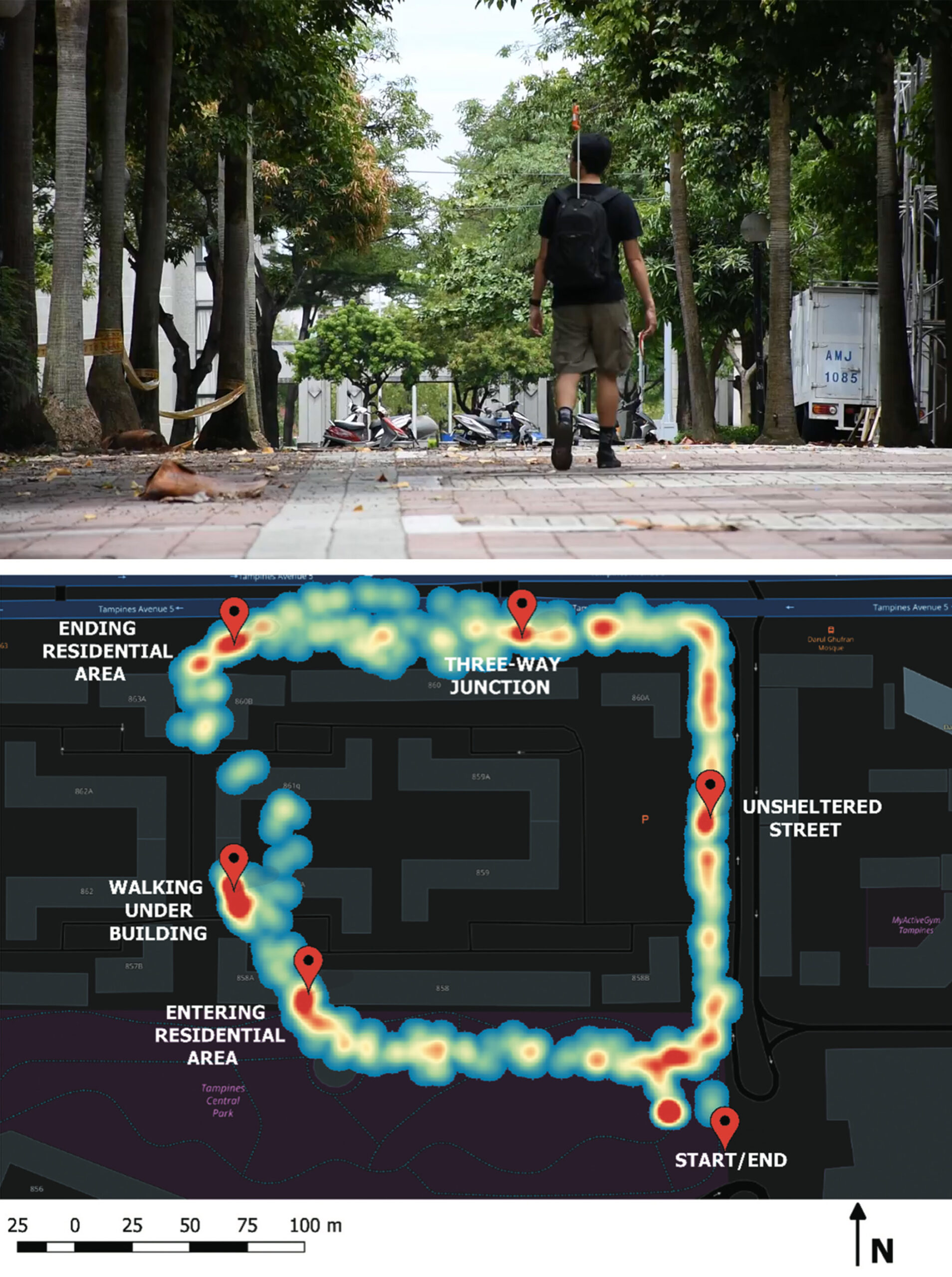
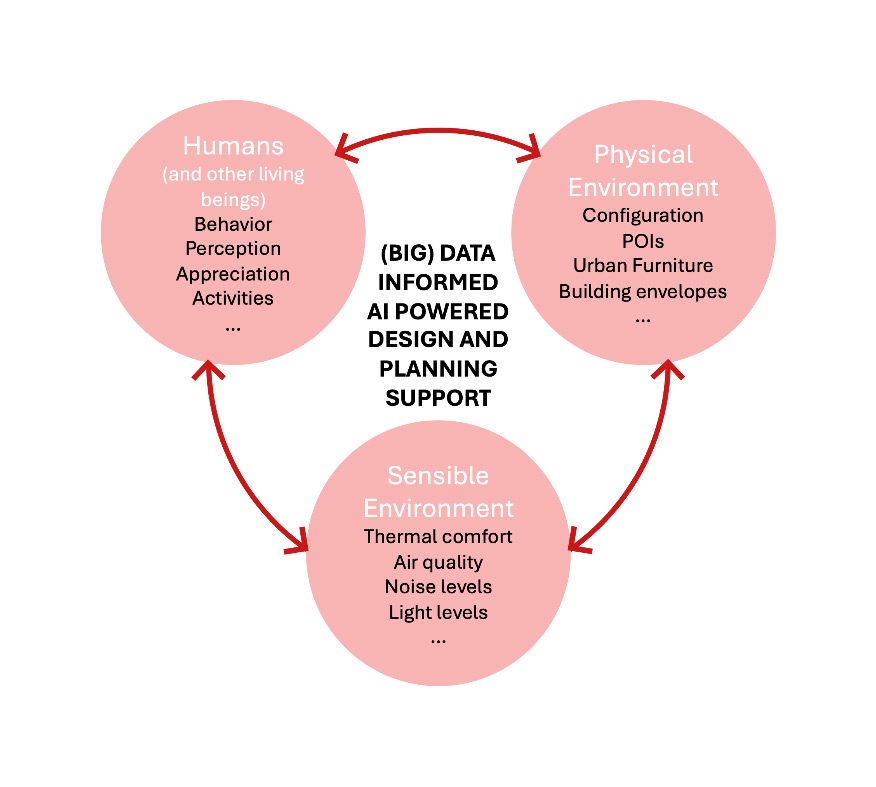
Prof. Dr. Tunçer’s work focuses on the complex relationship between use and usage patterns of (urban) spaces, users’ perception and appreciation of these spaces, and the influence of physical attributes of these spaces on these. She develops data-driven AI methodologies for creating design and decision support tools and platforms that are used by designers, planners, policy makers, engineers, and other stakeholders within the built environment sector. Her chair’s research focuses on data collection, information and knowledge modelling and visualization, for informed architectural and urban design, energy transition, urban resilience, digital construction and linked data, and nature based solutions.
Prof. Dr. Tunçer is an established leader in the field of evidence based design and urban science. She leads and participates in various large multi-disciplinary research grants in evidence informed design and planning, IoT, urban science, AI, big data, and digital twins. She has numerous publications in influential academic journals and proceedings, and these have been cited widely in the academic community. Her work has been exhibited at international exhibitions and has won awards.