Constructive Conversations: Computation and Intelligence in Architecture
November 19 | 4:00 pm - 7:00 pm
Dear all,
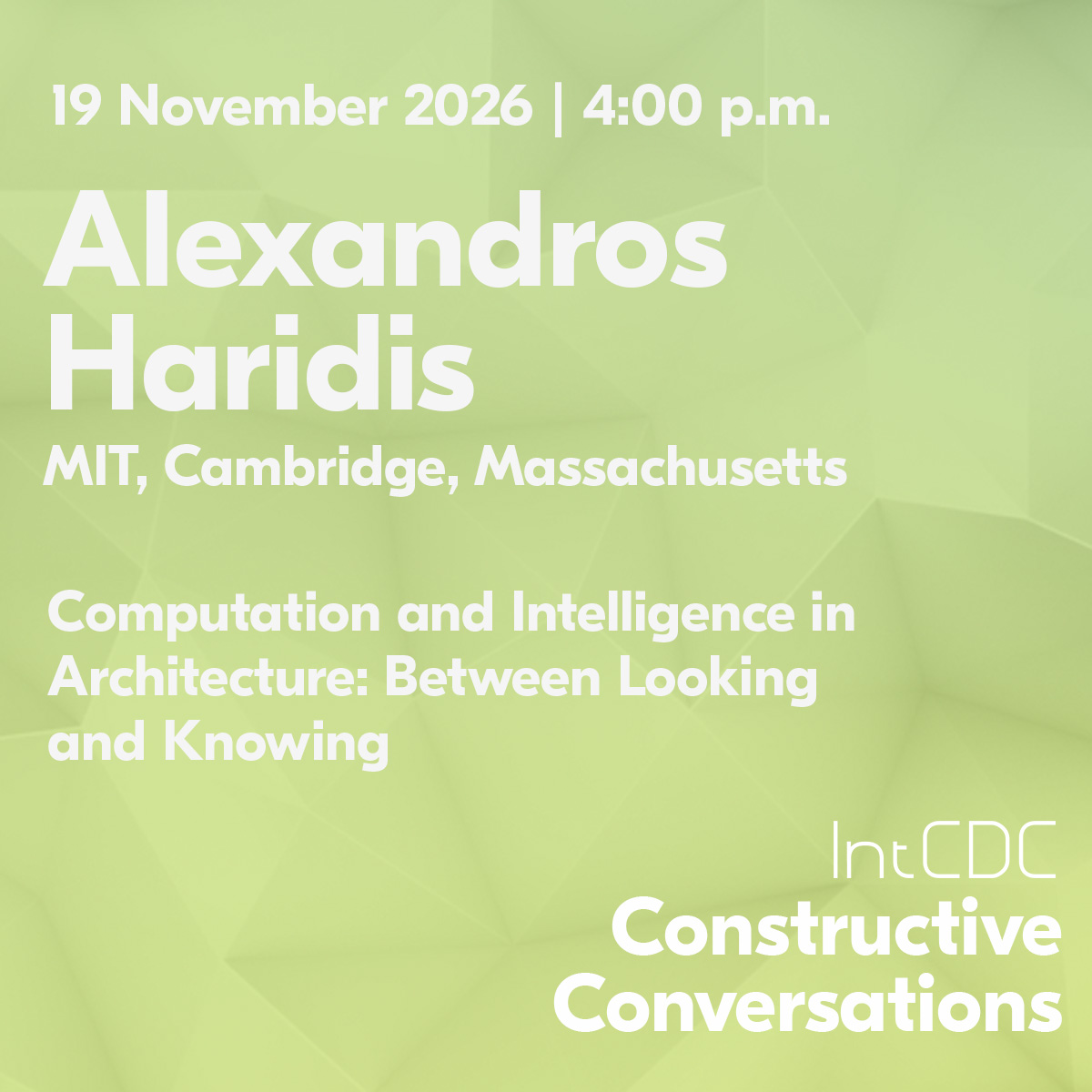
we are delighted to welcome Alexandros Haridis to our upcoming Constructive Conversations event on Thursday, 19 November 2026, 4:00 p.m.
The Cluster’s expert guest lecture series ensures a close interaction with the larger research community by hosting renowned national and international scientists.
topic
Computation and Intelligence in Architecture: Between Looking and Knowing
speaker
Alexandros Haridis, PhD,
Research Affiliate at MIT’s Department of Architecture
date
Thursday, 19 November 2026 | 04:00 p.m.
location
University of Stuttgart, K I, Lecture Hall, M 11.11,
Keplerstr. 11, 70174 Stuttgart
& online
abstract
Computing and AI systems now generate and rank architecture, art, and design. Judgments that once belonged to designers are being redistributed to software vendors, to models whose inner criteria are rarely visible, and to curators of training data. It is essential to develop methods for navigating and steering the solution spaces these systems generate, while making the judgments embedded in their computations visible and explainable. This talk presents projects that explore some of the tensions and possibilities emerging at this disciplinary nexus.
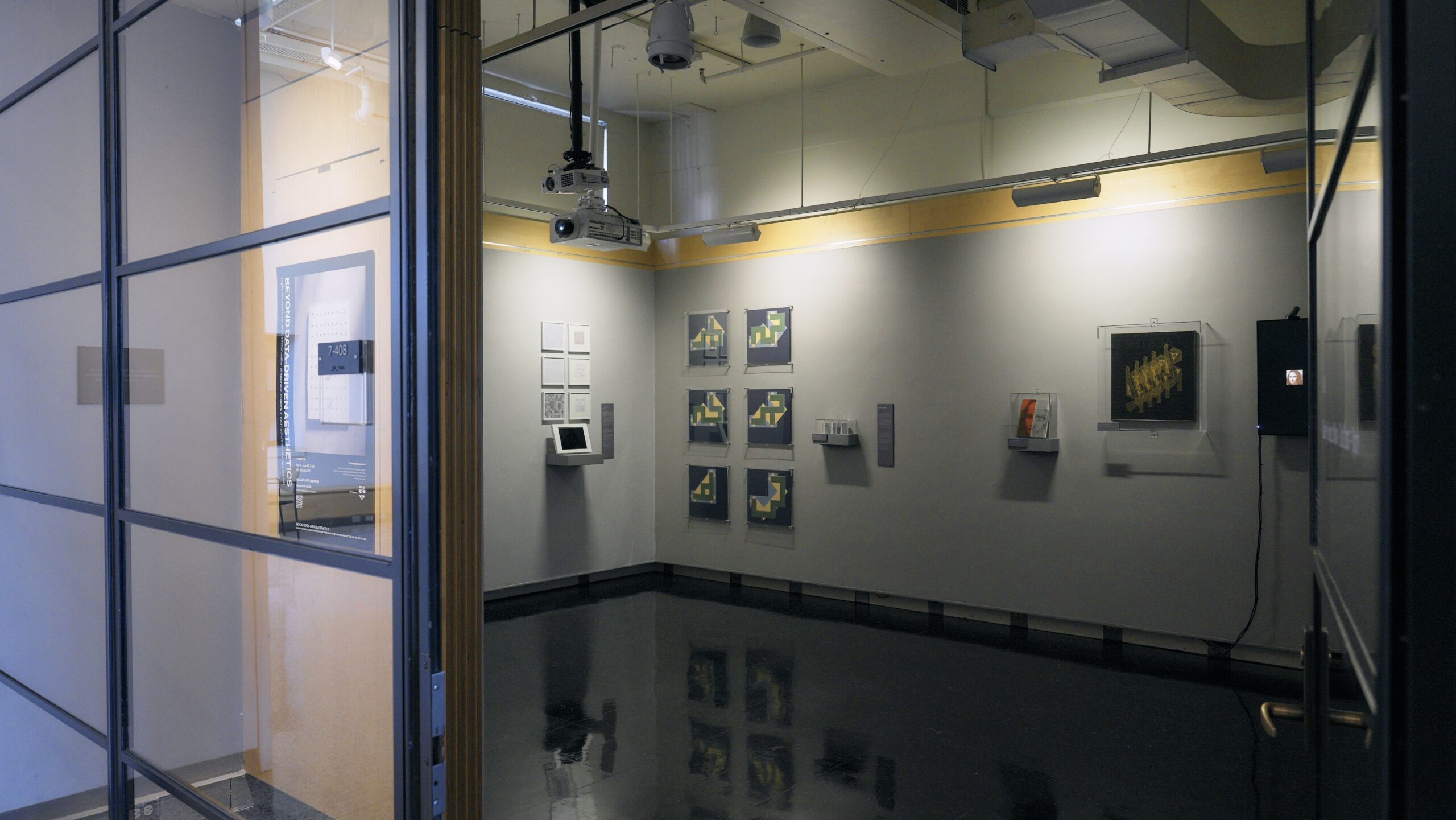
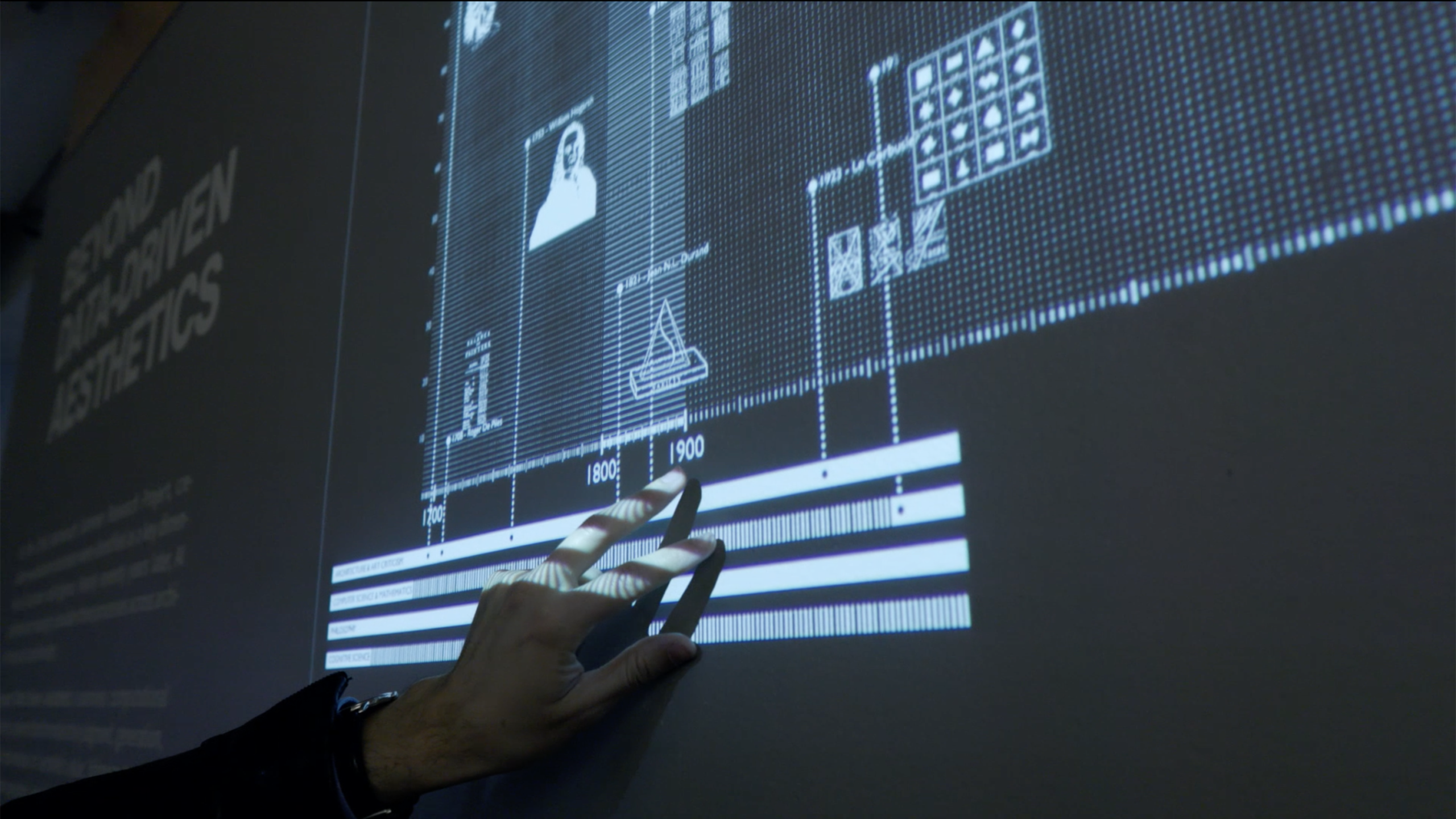
How might we trace a vision algorithm’s decisions back to the parts and features of an object that shaped them? What theory-informed framings of human seeing and interpretation might help explain the ranking mechanisms that guide generative AI, if at all? Examples from research on shape grammars, reconstructions of twentieth- and twenty-first-century creation–evaluation systems presented in Beyond Data-Driven Aesthetics, and machine learning benchmarks in architecture are considered in relation to human, open-ended looking. Can architecture and design keep their many ways of looking and judging while embracing innovation in computing and human-AI collaboration?
This lecture is part of the AdvanceAEC partner seminar series. Please register or log-in to your account to access the event credentials.
bio
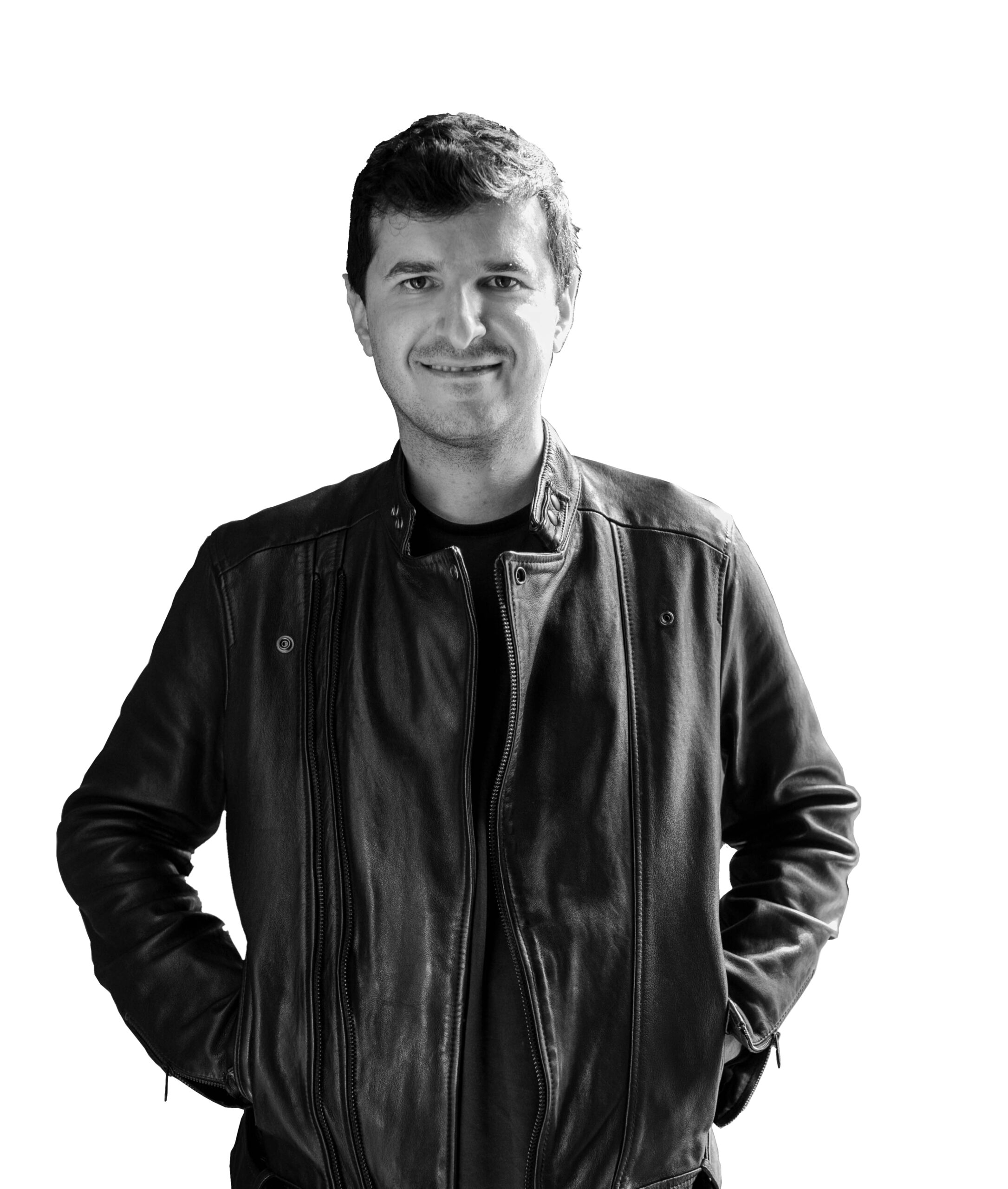
Alexandros (Alex) Haridis is an architect, computer scientist, and design computing researcher. In Fall 2026, he is a Visiting Researcher at the University of Stuttgart’s Cluster of Excellence IntCDC and Research Affiliate at MIT’s Department of Architecture. As a faculty member at Harvard University’s John A. Paulson School of Engineering and Applied Sciences and the Graduate School of Design, he taught computational design, design methods, and design studios.
His current research investigates algorithmic judgment in computational and AI systems for the generation, comparison, and evaluation of art and design objects, with an emphasis on making these processes visible and explainable. Haridis holds a professional degree in architecture (M.Arch), master’s degrees in design computation and computer science from MIT, where he also earned a Ph.D. in Architecture: Design and Computation, as a Presidential Fellow. His work spans publications, computational methods, software artifacts, and exhibitions. He directs Beyond Data-Driven Aesthetics, a research platform whose eponymous exhibition was presented at MIT’s Keller Gallery (April–June 2026) and featured in MIT News, Kathimerini, and AI Art Magazine.
His writings appear in Environment and Planning B, Computers & Graphics, Journal of Mathematics and the Arts, and Nexus Network Journal. He has received fellowships and awards from MIT, Harvard, the A.G. Leventis and Onassis Foundations, among others, and has presented his work by invitation at academic institutions in the United States and Europe.